Paying to Play: What Rake, Juice, and House Edge Are Really Costing You at the Arena
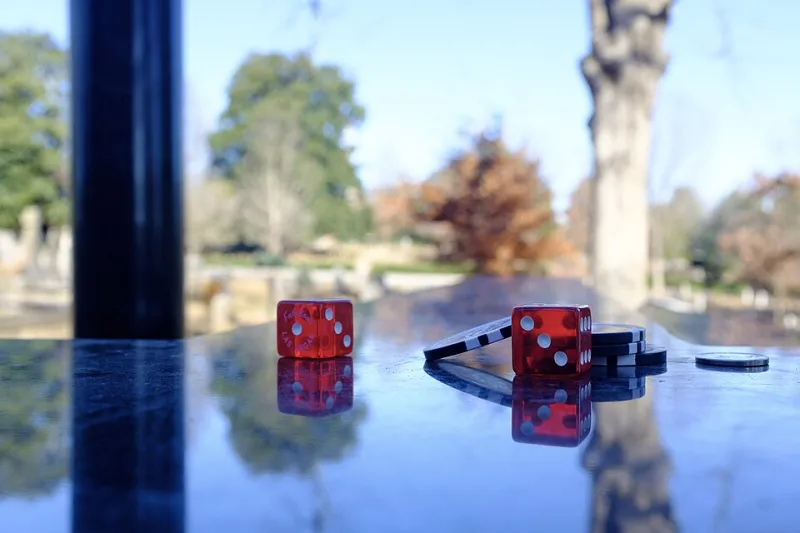
Photo: Marc Merlin, CC BY-SA 4.0, via Wikimedia Commons
Here's a truth that doesn't get enough airtime: you can make good decisions, pick the right spots, and still bleed out slowly because you never stopped to read the fine print. At LS88 Arena, we're all about playing bold — but bold doesn't mean blind. Before you can win big, you need to understand exactly what slice of your action is walking out the door before you even cash a ticket.
Let's break it all down.
What Is the House Edge, and Why Should You Care?
The house edge is the most straightforward of the three concepts. It's the mathematical advantage baked into every game by design — the reason casinos and gaming platforms stay in business. Think of it as the landlord's cut. You're playing in their arena, and they're taking a percentage of every wager over time, regardless of who wins on any given hand or spin.
For example, American roulette carries a house edge of roughly 5.26% thanks to those two green pockets (0 and 00). European roulette trims that down to about 2.7% with just a single zero. That difference might seem small, but play enough rounds and the gap becomes significant. If you're wagering $50 per spin over a long session, choosing the wrong wheel is like voluntarily tipping the house an extra few hundred dollars.
Different games carry wildly different edges. Blackjack with basic strategy can sit under 0.5%. Slots can run anywhere from 2% to over 10% depending on the machine. Video poker, when played optimally, often competes with blackjack for the most player-friendly return. Knowing these numbers before you sit down is table stakes — pun absolutely intended.
The Juice: Sports Betting's Quiet Toll Booth
If you're wagering on sports, the house edge shows up in a different costume. It's called the juice, the vig, or the vigorish — all names for the same thing: the sportsbook's commission built into every line.
When you see a standard NFL spread listed at -110 on both sides, that means you need to bet $110 to win $100. The sportsbook isn't taking a side — they want equal action on both teams and collect the difference no matter who covers. That -110 structure translates to roughly a 4.55% edge for the book on each side of the bet.
Some platforms offer reduced juice, listing lines at -105 or even -102 during promotions. That might not sound like a game-changer, but for a serious bettor placing significant volume across a full NFL season, the savings add up to real money. Shopping lines across multiple platforms — a practice called line shopping — is one of the most underutilized edges available to US players. If one arena is offering -108 and another is sitting at -115 on the same game, the choice is obvious.
The juice also compounds in parlays. Each leg adds another layer of built-in cost, which is why sportsbooks love advertising parlay payouts. They're profitable for the books precisely because the edge multiplies with every additional selection.
Rake: The Poker Table's Perpetual Passenger
In poker, the platform doesn't play against you — it just sits at the table and takes a cut of every pot. That's the rake. It typically works one of two ways: a percentage of the pot (often 5% up to a certain cap) or a time-based fee charged per hour or per hand.
Rake is sneaky because it doesn't feel like a loss. You win a pot, the dealer pulls a chip or two before pushing the rest your way, and the game moves on. But over hundreds of hands, rake is one of the biggest factors separating winning players from breakeven grinders. A player who would crush a zero-rake game might be a net loser in a high-rake environment simply because the math doesn't work out.
When evaluating poker rooms on different platforms, always check the rake structure before you commit. Look for pot caps, since a cap of $3 is very different from no cap at all on bigger pots. Also look at whether the platform offers rakeback or loyalty rewards — essentially a partial rebate on what you've paid. Even a 20% rakeback program can swing a breakeven player into profitability.
Practical Moves to Shrink the Cut
Understanding these costs is step one. Step two is actually doing something about them. Here's where to start:
Pick your games with intention. If you're playing for fun and entertainment, fine — enjoy the full casino experience. But if you're chasing consistent results, stick to games with the lowest house edge. Blackjack, baccarat (banker bet), and video poker are your friends. Keno and high-volatility slots are not.
Line shop aggressively on sports. Having accounts on multiple licensed US platforms isn't cheating — it's smart. Always find the best number before placing a bet. Over a full season, this habit alone can be worth multiple percentage points on your overall return.
Factor rake into your poker win rate. Before you decide a game is beatable, calculate what you'd need to earn per hour just to cover the rake. If the math doesn't work, find a softer game with better rake conditions rather than grinding a losing battle.
Use bonuses and promotions strategically. Welcome offers, reload bonuses, and free play credits can offset these built-in costs — but only if you read the terms and understand the wagering requirements. A bonus that requires 30x rollover on a high-edge game might cost you more than it's worth.
Track your sessions. You can't manage what you don't measure. Logging your play, tracking the games you're in, and monitoring your actual results versus expected results is how serious players identify where they're leaking money.
The Bottom Line
The Arena is built to entertain, and it does that exceptionally well. But it's also a business, and every format has a built-in mechanism that tilts the math toward the house. Rake, juice, and house edge aren't secrets — they're just things most players prefer not to think about.
The players who keep more of their wins are the ones who treat these costs like a line item in a budget. They factor them into every decision, seek out the most favorable conditions, and never pay more than they have to. Play bold, sure — but play informed. That's the real edge at LS88 Arena.