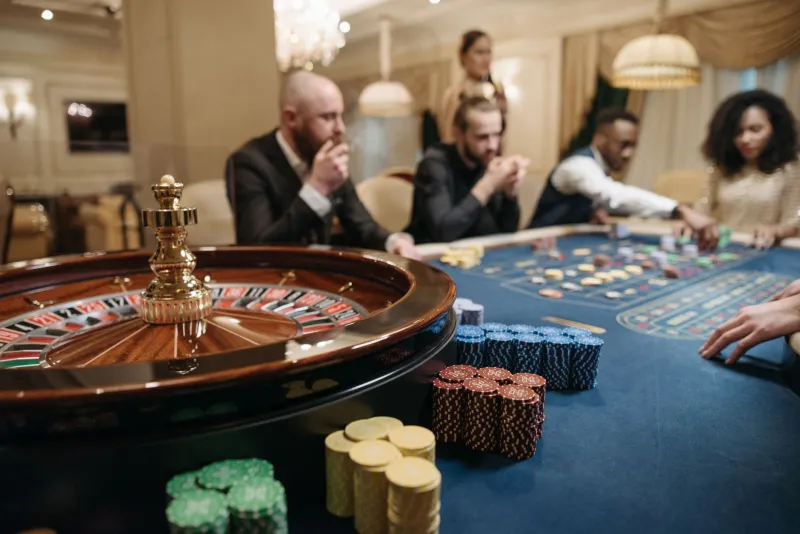
Crew at the Table: Why Gaming With Your Crew Can Quietly Wreck Your Game
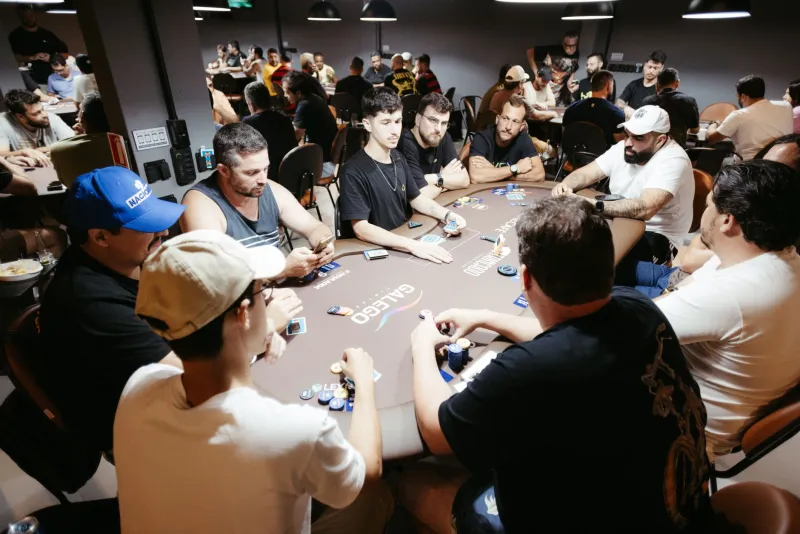
There's a version of this night that sounds perfect on paper. You and your boys — or your girls, or your whole fantasy league crew — roll into the arena together. Good energy, inside jokes flying, everyone hyped to play. What could go wrong?
A lot, actually. And most of it won't announce itself until you're driving home lighter than you planned.
Playing alongside people you genuinely like — or love, or owe favors to — introduces a layer of social complexity that even experienced players underestimate. It's not that your friends are bad luck. It's that the presence of personal relationships at the table quietly rewires how you make decisions, and rarely in your favor.
The Pressure to Match the Energy
Here's one of the first ways it goes sideways: someone in your group decides to go big. They're betting aggressive, they're riding hot, and everyone at the table is watching them. The vibe shifts. Suddenly, playing it smart feels like playing it small — and nobody wants to be the cautious one while their crew is swinging.
This is social proof working against you. You're not sizing your bets based on your read of the game anymore. You're sizing them based on what feels appropriate given the audience. That's a completely different calculation, and it's one that the arena is more than happy to let you make.
The fix isn't complicated, but it does require some mental discipline: before any session with friends, set your limits privately. Write them down if you have to. Decide what you're bringing, what you're willing to lose, and what a win looks like — before you're sitting next to someone who just doubled up and is grinning at you.
Folding Against a Friend Feels Like a Personal Statement
This one cuts deep in competitive game formats. When the person across from you is a stranger, folding is just strategy. When it's your buddy from college, folding starts to feel weirdly loaded — like you're sending a message, or backing down, or not trusting the moment.
The result? Players hold on longer than they should. They call bets they'd never touch from an unknown opponent. They make decisions with their ego and their relationship history instead of with the information in front of them.
Smart players understand that the table is a separate environment with its own rules. What happens in the arena stays there — but only if you mentally agree to that separation before the session starts. A fold isn't a slight. A disciplined exit is just good gameplay, regardless of who's on the other side of it.
Winning Against Friends Carries an Emotional Tax
Nobody talks about this part enough: winning can feel genuinely uncomfortable when the person losing is someone you care about.
You pull off a clean play, stack chips, and then look up to see your best friend shaking their head across the table. Suddenly the win doesn't feel clean. You start second-guessing your next move — not because the odds changed, but because you don't want to pile on. You ease up. You let a good opportunity slide. You rationalize it as "reading the room" when really you're just managing the relationship in real time.
That's the hidden emotional tax of group gaming, and it compounds fast. Over a long session, those small concessions — the calls you didn't make, the bets you softened — add up to real money left on the table.
The Post-Game Fallout Is Real
Let's flip it the other way. You lose a tough hand against a friend and the car ride home gets quiet. Or someone in the group loses big and the whole vibe turns. Or worse — money gets borrowed, debts get awkward, and suddenly a night of gaming has a two-week emotional hangover attached to it.
This is the part that genuinely costs more than money. Friendships are worth protecting. The arena is a great place to compete, but it's a rough place to stress-test personal relationships.
A few guardrails worth building:
- No lending money at the table. Period. Full stop. "I'll get you back" is a sentence that has ended friendships.
- Agree upfront on exit times. If someone's done, they're done — no guilt, no pressure to keep going for the group's sake.
- Debrief away from the table. If a hand or a decision created tension, hash it out after the session, not mid-game when emotions are still running hot.
How to Protect Both Your Edge and Your Relationships
The goal isn't to stop playing with your crew. Group gaming sessions are genuinely fun, and there's real value in shared experiences at the arena. The goal is to go in with your eyes open.
The most effective strategy is simple: mentally separate your friendship from your gameplay before the first bet is placed. You can be fully present as a friend before the session and after it. But during it, you're a player. Your job at the table is to make the best decisions you can with the information available — not to manage everyone's feelings in real time.
That's not cold. That's actually respectful. It means you're treating your friends like capable adults who came to play, not fragile egos who need to be handled.
Practically speaking:
- Sit apart when possible. A little physical distance helps break the social gravity.
- Play your own session. Track your own results. Don't let your mood be determined by how your crew is doing.
- Check in at breaks, not mid-hand. Save the group energy for downtime, not decision points.
The Arena Is an Equal Opportunity Environment
One thing that makes gaming at LS88 Arena compelling is that the platform doesn't care about your social dynamics. The odds don't shift because you're sitting next to your college roommate. The game doesn't soften because someone at your table is having a rough night.
That neutrality is actually a gift — it's a clean environment where the only thing that matters is how well you play. The social pressure you bring to it? That's entirely optional. You can choose to leave it at the door.
Play your game. Protect your relationships by not letting the table become the place where they get tested. And when the session ends, win or lose, be the person who's still good company on the ride home.
That's the real win.